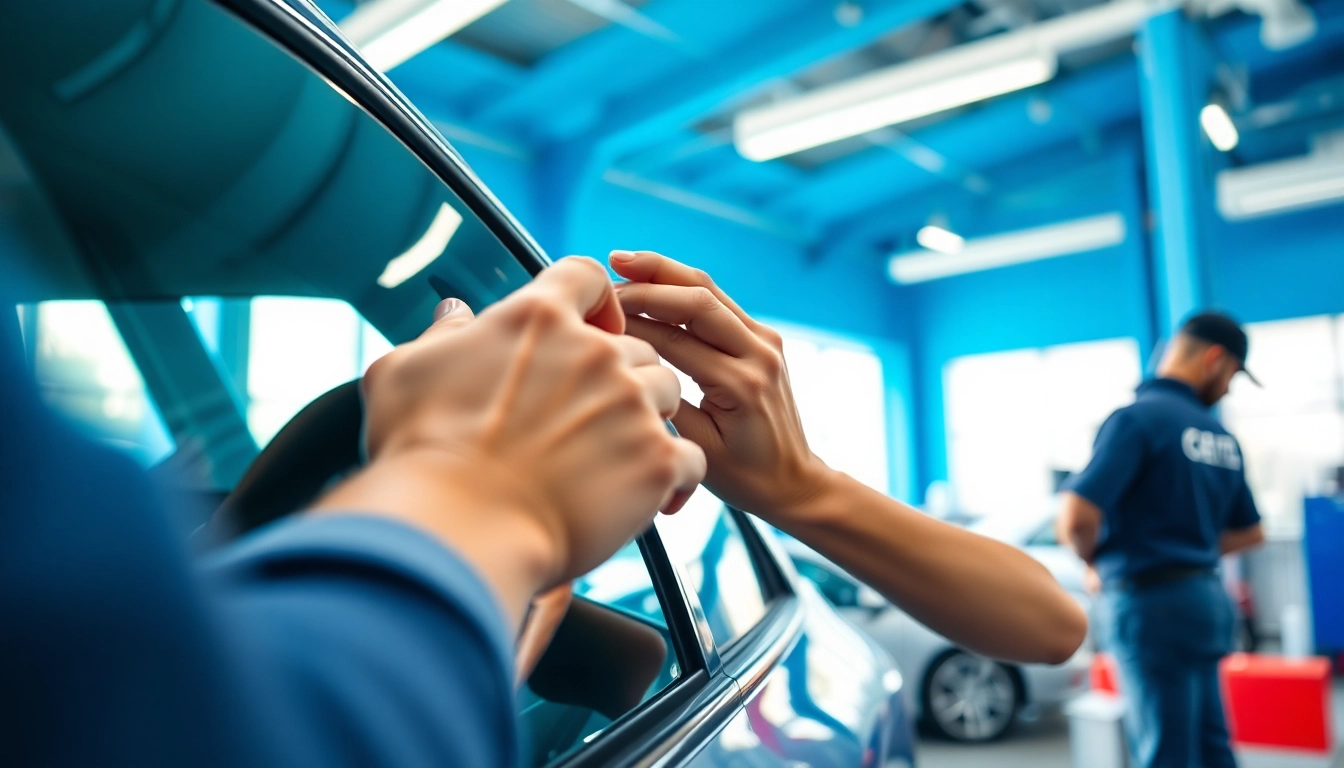
Understanding Window Tinting Basics
What is Window Tint?
Window tinting involves applying a thin layer of film to the windows of vehicles, buildings, or homes to enhance privacy, aesthetics, and overall comfort. This film can come in various shades and materials, and it’s designed to block out a percentage of sunlight and UV rays. The window tint not only contributes to the vehicle's appearance but also plays a crucial role in protecting interior surfaces and occupants from harmful radiation.
Benefits of Window Tint Near Me
Opting for window tint near me offers numerous advantages:
- UV Protection: Professional window tint blocks up to 99% of harmful UV rays, reducing the risk of skin cancer and preserving the interior of your vehicle.
- Temperature Control: Tinted windows help regulate temperatures inside the vehicle or building, making it more comfortable, especially during hot weather.
- Privacy and Security: Window tint provides an added layer of privacy by obstructing the view from outside. This deters potential thieves and keeps your personal space secure.
- Glare Reduction: Tints reduce glare from the sun or headlights, enhancing visibility and driving safety.
- Enhanced Aesthetics: A properly installed tint can improve the overall appearance of your vehicle or property, giving it a sleek, modern look.
Types of Window Tint Films Available
There are various types of window tint films, each with distinct features and benefits:
- Dye-Based Films: These are typically the most affordable and are made from dyed polyester. They provide a nice look but have lower heat rejection properties.
- Metalized Films: These contain tiny metallic particles that reflect heat and UV rays while offering increased durability and privacy. However, they can interfere with electronic signals.
- Ceramic Films: Known for their superior heat rejection and UV protection without darkening the windows too much. They are more expensive but offer long-lasting performance.
- Carbon Films: These provide excellent heat rejection and are fade-resistant, providing a great balance between cost and performance.
- Hybrid Films: Combining features of both metalized and dyed films, these offer good performance at a mid-range price point.
Local Regulations and Compliance
Understanding State Laws on Window Tint
When considering window tinting, it’s crucial to understand local regulations that vary by state. Each state has specific laws regarding the darkness and reflectivity of window films, often measured by Visible Light Transmission (VLT) percentages.
For example, some states may allow on the front side windows only a certain percentage of light to pass through while permitting darker tints on rear windows. It’s essential to check your state's specific laws to avoid penalties and ensure your tinting is compliant.
How to Choose Compliant Window Tint
Selecting the right tint film is vital to ensure adherence to local laws. Some tips include:
- Research the legal VLT percentages for your state.
- Choose professional tinting services that are knowledgeable about local regulations.
- Request a certificate of compliance from your installer to provide evidence of conformity with local laws.
Consequences of Non-Compliance
Failure to comply with local tinting laws can result in fines, the requirement to remove the tint, or even delays during inspections for registration. Non-compliance might also affect the resale value of your vehicle if potential buyers find the tint to be illegal.
Choosing the Right Window Tint Service
How to Find Window Tint Near Me
Finding reputable window tint services close to you involves several steps:
- Conduct an online search using “window tint near me” to generate a list of local services.
- Ask for recommendations from friends or family who have previously installed window tint.
- Check local business directories or review platforms for listings and scores.
Checking Reviews and Ratings of Local Services
Once you have a list of potential service providers, thoroughly examine their reviews and ratings on platforms like Google, Yelp, or social media pages. Look for feedback on:
- Quality of work
- Professionalism of staff
- Customer service and satisfaction
Questions to Ask Your Tinting Professional
Before hiring, consider asking the following vital questions to ensure quality and compliance:
- What types of films do you recommend and why?
- Can you provide examples of your previous work?
- What warranty or guarantee do you offer for your tinting services?
- Are you familiar with local tinting laws?
- How long will the installation process take?
Installation Process Explained
Pre-Installation Preparation Tips
Preparation is key to ensuring a successful window tint installation:
- Clean the windows thoroughly to remove any dust, dirt, or debris.
- Ensure the vehicle or property is parked in a shaded area to prevent the film from drying too fast.
- Remove any window coverings or accessories to allow easy access.
Step-by-Step Tint Installation Process
The installation process can generally be broken down into several key steps:
- Measuring: The technician measures the windows to determine the appropriate size of film needed.
- Cutting: The film is cut to size based on the measurements taken.
- Cleaning: The window is cleaned again to ensure proper adhesion.
- Application: The film is applied carefully to avoid air bubbles.
- Smoothing: A squeegee is used to remove bubbles and ensure flatness against the glass.
- Curing: The tint must cure for a specific time to adhere correctly.
What to Expect During Installation
During installation, expect a team of professionals to be meticulous about their work. They may take time to ensure the film is applied correctly and may need to adjust based on your specific windows. Ensure you ask about post-installation care to maintain the film's integrity.
Maintaining Your Window Tint
Post-Installation Care for Window Tint Near Me
After the installation of your window tint, follow these care tips for longevity:
- Allow the tint to cure for at least a week before cleaning.
- Use a gentle soap solution and a soft cloth for cleaning.
- Avoid ammonia-based cleaners as they can degrade the film.
Common Issues and Troubleshooting
Some common issues with window tint can include bubbling, peeling, or discoloration. Address these issues by:
- Checking with your installer if any warranty covers the issue.
- Seeking professional assistance instead of attempting DIY fixes, which could worsen the problem.
When to Seek Professional Help
If you notice persistent issues with your window tint, seek professional help. Instances such as severe bubbling, peeling edges, or discoloration beyond normal wear and tear warrant professional evaluation. Acting quickly can prevent further damage and ensure compliance with legal standards.
Frequently Asked Questions
1. How long does window tint last?
With proper care, window tint can last anywhere from 5 to 10 years, depending on the quality of the film and the installation process.
2. Is window tinting legal?
Yes, but regulations differ by state. Always check local laws to ensure compliance with VLT percentages and other requirements.
3. Can window tint be removed?
Yes, window tint can be professionally removed if it becomes damaged or if it no longer meets legal standards.
4. Will window tint protect against shattering?
Window tint does provide some resistance against shattering by holding glass fragments together, enhancing safety during accidents.
5. Can I install window tint myself?
While DIY kits are available, professional installation ensures better application and compliance with local laws, reducing the risk of issues.