
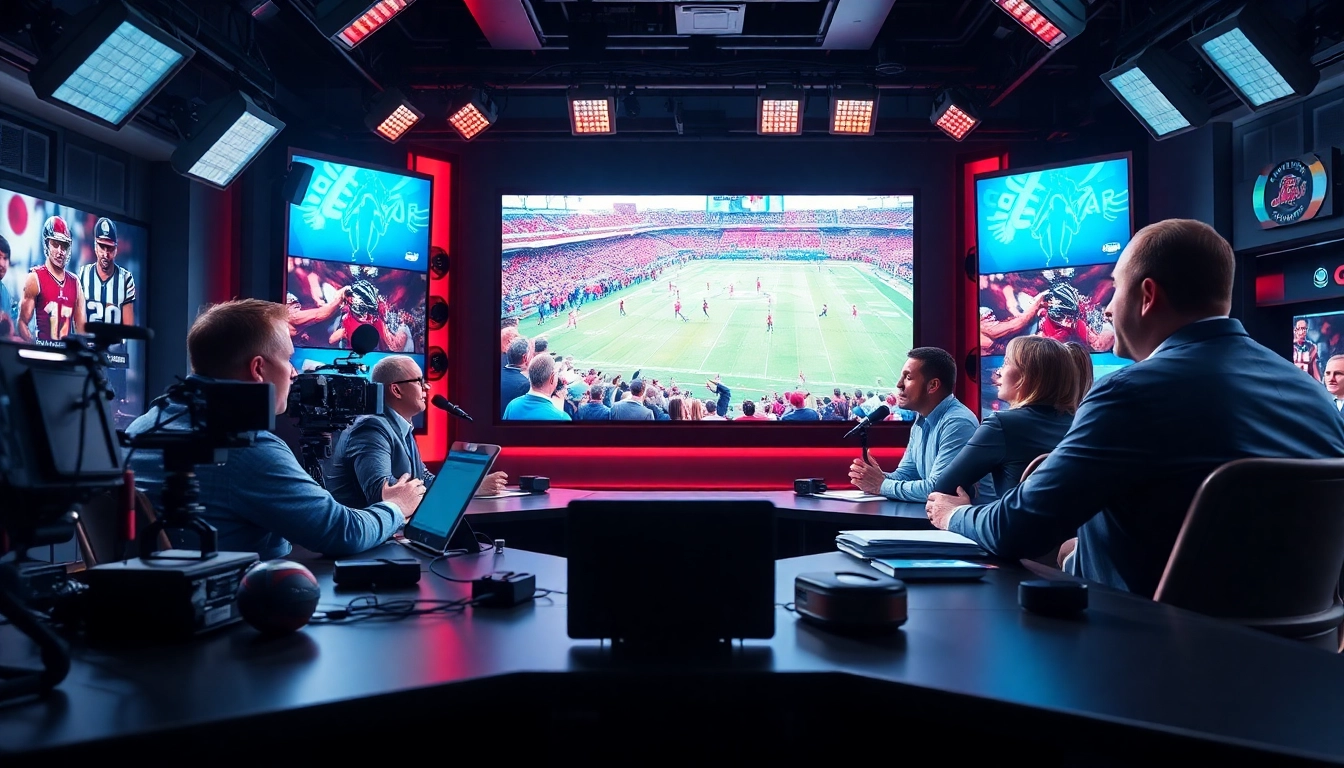
Understanding the Landscape of Sports Broadcasting
The world of sports broadcasting has evolved dramatically over the years, transforming from traditional radio and television broadcasts to the modern-day digital platforms we see today. With the rise of technology and the internet, viewers have more options than ever to engage with their favorite sports and teams. This changing landscape has led to increased competition and innovation, which is pivotal for improving audience engagement and maximizing revenue opportunities in Sports Broadcasting.
Current Trends in Sports Broadcasting
As audiences continue to shift towards online viewing, several trends have emerged in the sports broadcasting sector. Key trends include:
- Streaming Services: Subscription-based models have surged in popularity, with services offering live broadcasts and on-demand content.
- Augmented Reality (AR) and Virtual Reality (VR): These technologies offer immersive viewing experiences, allowing fans to feel closer to the action, whether from their living rooms or at the stadium.
- Short-form Content: Platforms like TikTok and Instagram promote bite-sized highlights that cater to a younger audience's attention spans.
Key Players and their Roles
The sports broadcasting ecosystem includes various stakeholders, each playing a critical role:
- Broadcast Networks: Traditional networks like ESPN and NBC provide a platform for live sports, leveraging their established viewer base.
- Digital Platforms: Companies like Amazon Prime Video and YouTube are increasingly acquiring rights to stream sports, appealing directly to tech-savvy audiences.
- Sports Leagues: Organizations like the NFL and NBA hold the broadcasting rights and negotiate contracts with networks or platforms to maximize their revenue.
The Evolution of Broadcasting Technologies
From analog to digital, broadcasting technology has undergone significant transformations that have influenced how sports are consumed. Significant advancements include:
- High-Definition (HD) and Ultra High-Definition (UHD): Improved visuals enhance viewer experience, making broadcasts more appealing.
- Streaming Protocols: Technologies like MPEG-DASH allow for adaptive streaming, ensuring better quality at varying bandwidths.
- Mobile Broadcasting: The capability to stream live sports on mobile devices enables fans to watch games anywhere, anytime.
Strategies for Improving Sports Broadcasting Engagement
In a competitive landscape, enhancing audience engagement is crucial for the success of any sports broadcasting entity. Implementing effective strategies can help attract more viewers and keep them connected.
Utilizing Social Media for Real-Time Interaction
Social media serves as a powerful tool to foster real-time interaction between broadcasters, athletes, and fans. Strategies include:
- Live Q&A Sessions: Hosting live chats with players or commentators during or after games provides in-the-moment insights and builds a closer fan relationship.
- Polls and Contests: Engaging fans through social media polls about game predictions or highlight contests keeps them involved and enhances their emotional investment.
- Post-Game Analysis: Sharing expert commentary on social platforms encourages discussions, thereby increasing viewer retention.
Incorporating Audience Feedback Mechanisms
To better serve viewers, broadcast entities should actively solicit and incorporate audience feedback. This could involve:
- Surveys: Conducting post-viewing surveys can reveal viewer satisfaction levels, preferences, and areas needing improvement.
- Focus Groups: Engaging small groups of dedicated fans for feedback sessions can yield detailed qualitative insights.
- Interactive Features: Integrating audience comment sections during live broadcasts invites fans to express opinions and influence discussions.
Developing Interactive Broadcasting Formats
Interactive formats can significantly enhance the viewing experience. Some effective means include:
- Multi-View Options: Offering viewers multiple camera angles or perspectives lets them customize their experience.
- Live Stats and Commentary: Providing real-time statistics and expert analysis during games keeps viewers informed and engaged.
- Gamification: Introducing fantasy sports elements or predictive games during broadcasts can make viewership more enjoyable.
Monetization Techniques in Sports Broadcasting
Monetization remains a crucial aspect of sports broadcasting. Developing diverse revenue streams can help sustain and grow a broadcasting venture.
Advertising Revenue Models
Advertising is a significant revenue source for sports broadcasting. Effective strategies include:
- Targeted Advertising: Using data analytics to tailor ads to specific demographics enhances ad effectiveness and increases revenue rates.
- Integrated Sponsorship: Creating seamless product placements within the broadcast can lead to increased brand retention and awareness.
- Dynamic Ad Insertion: This technology allows segments of ads to change in real-time based on viewership data and preferences, optimizing the revenue potential.
Sponsorship Opportunities
Sponsorship deals can provide substantial financial backing. Companies should look for:
- Exclusive Sponsorships: Establishing long-term partnerships with brands can lead to more significant investment in broadcasting.
- Co-Branded Events: Collaborating with sponsors to host events can create additional exposure and engagement opportunities.
- Social Media Sponsorships: Leveraging social platforms for sponsored content can expand reach and create a direct connection with the target audience.
Subscription-Based Services and Pay-Per-View
Increasingly, broadcasters are turning to subscription services and pay-per-view models for monetization. Key tactics include:
- Tiered Memberships: Offering multiple subscription tiers allows consumers to choose packages that suit their viewing preferences and budgets.
- Exclusive Content: Providing subscribers with exclusive behind-the-scenes access or interviews encourages membership uptake.
- Live Event Streaming: Pay-per-view options for marquee events can generate substantial short-term revenue spikes.
Challenges Facing Sports Broadcasting Today
The sports broadcasting industry also faces numerous challenges that require strategic navigation for continued success.
Navigating Copyright and Legal Issues
Legal challenges often arise in broadcasting, particularly concerning copyright. Strategies to mitigate these issues involve:
- Clear Licensing Agreements: Establishing precise copyright agreements with leagues and relevant parties ensures compliance.
- Monitoring for Piracy: Vigilantly tracking illegal streams and enforcing copyrights protects rights holders.
- Legal Partnerships: Collaborating with legal experts can help navigate the complexities of broadcasting regulations.
Adapting to Audience Preferences
Understanding and adapting to shifting viewer preferences is crucial. Techniques include:
- Diverse Programming: Offering varied content formats (such as documentaries and analysis shows) can cater to different audience preferences.
- A/B Testing: Regularly testing formats, timings, and content styles can reveal what resonates most with audiences.
- Active Engagement: Engaging with audiences via surveys or social media polls provides insight into their evolving interests.
Competing with Emerging Platforms
Emerging platforms pose a competitive threat to traditional broadcasting methods. To counter this challenge, broadcasters should focus on:
- Differentiated Offerings: Providing unique content that competitors don’t offer can carve out a loyal audience base.
- Innovative Formats: Exploring unique sports and entertainment formats that engage audiences can differentiate a broadcast brand.
- Cross-Promotion: Engaging with brands using multiple platforms taps into broader audience segments and creates synergy.
Measuring Success in Sports Broadcasting
To ensure effective strategies and improvements, sports broadcasters must establish metrics for measuring success.
Key Performance Indicators (KPIs) to Track
Identifying and monitoring KPIs is essential for assessing success. Important KPIs include:
- Viewership Numbers: Tracking total views, average watch time, and peak concurrent viewers provides insights into engagement.
- Ad Performance: Monitoring ad impressions, click-through rates, and revenue from advertisements can assess financial effectiveness.
- Subscriber Growth: Evaluating new subscriptions and retention rates indicates the success of membership initiatives.
Analyzing Viewership Data
Data analysis plays a significant role in improving content delivery and viewer engagement. Essential strategies include:
- Analytics Tools: Using advanced analytics tools to track viewer behavior and preferences aids in tailoring content.
- Heat Maps: Visualizing where viewers focus can help broadcasters understand what captivates their audience.
- Demographics Breakdown: Gaining insights into viewer age, location, and interests can inform targeted marketing strategies.
Gathering Audience Feedback for Continuous Improvement
Feedback mechanisms are vital for the evolution of broadcasting approaches. Implementing solid feedback practices may involve:
- Post-Event Surveys: Collecting feedback immediately after events allows for timely insights into viewer experiences.
- Regular Interaction: Engaging with the audience consistently through social media can create a feedback loop for improvement.
- Focus Groups: Running periodic focus groups ensures in-depth qualitative feedback from active fans.
Frequently Asked Questions
What is sports broadcasting?
Sports broadcasting refers to the distribution of live or recorded sports events to an audience through various media, including television and online platforms.
How has technology impacted sports broadcasting?
Technology has revolutionized sports broadcasting by allowing for streaming, enhanced visuals, and providing interactive experiences that engage audiences.
What are the major revenue sources for sports broadcasters?
Major revenue sources include advertising, sponsorships, subscription services, and pay-per-view models.
Why is audience engagement important?
Audience engagement is crucial as it fosters loyalty, encourages repeat viewership, and can lead to increased revenue through various channels.
What are some common challenges in sports broadcasting?
Common challenges include navigating legal issues, adapting to audience preferences, and competing with new digital platforms that disrupt traditional broadcasting.